
Organic Food in Pakistan: How to Choose Pure, Natural Food for Your Family
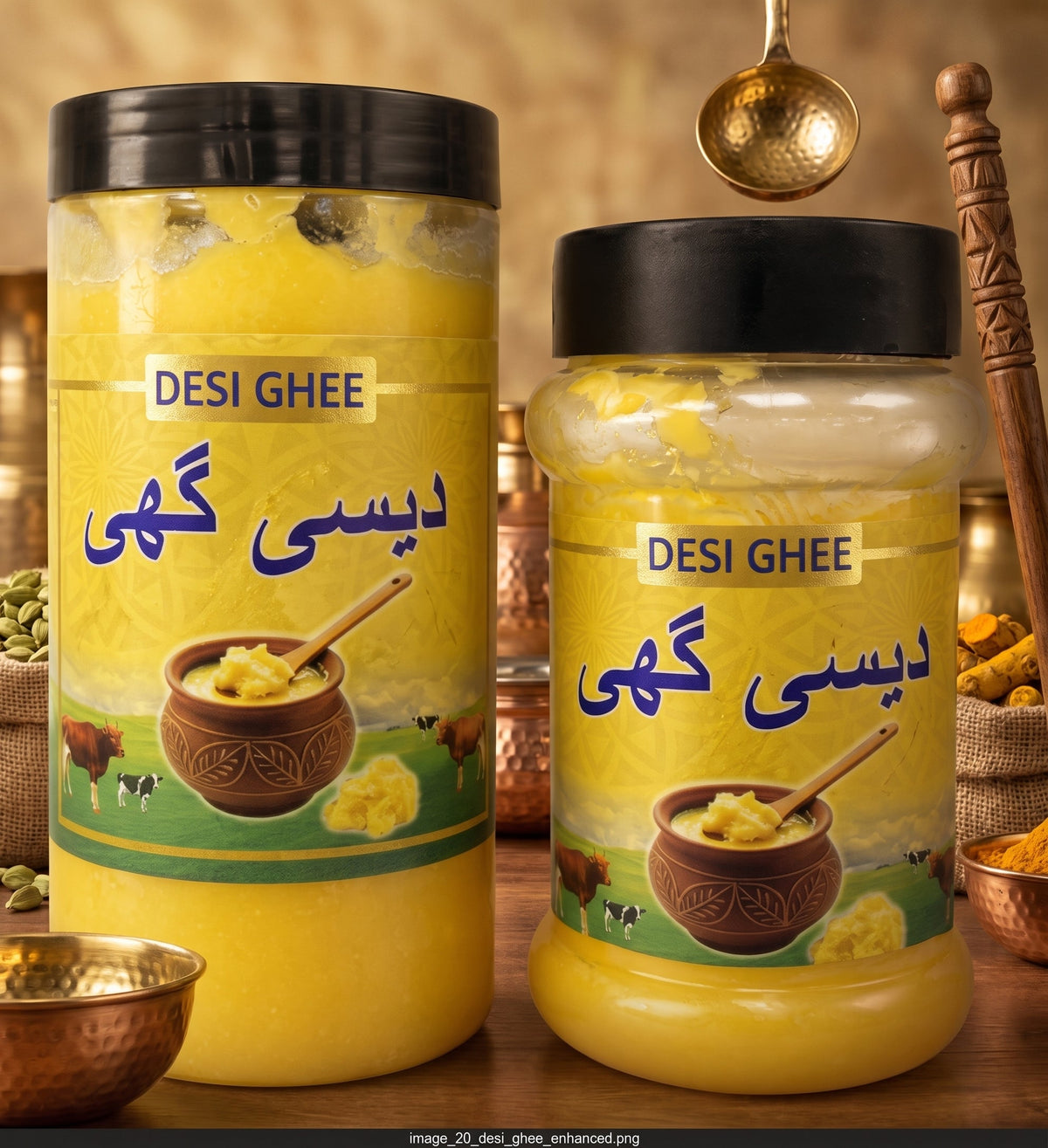
Organic food in Pakistan has moved from a niche to an everyday search: families want pure honey, real desi ghee, chakki atta and food without unnecessary additives. But words like "organic", "natural" and "pure" are used very loosely on labels and in shops. This guide explains what they really mean and how to choose natural food with confidence.
Organic, natural and pure — what is the difference?
- Certified organic means the food was grown and processed under a specific organic standard and checked by a certification body. It is the only claim with a formal meaning, and genuinely certified products in Pakistan are still limited and usually expensive.
- Natural usually means minimal processing and no artificial colours, flavours or preservatives. It is a useful description, but it is not a certification.
- Pure means nothing else has been added — for example honey with no added sugar syrup, or ghee with no vegetable fat mixed in.
An honest seller tells you which of these applies. At Khalis Bazar we describe our PARC products as natural and pure, and each product page explains how it is made; we do not claim organic certification for every item.
How to read a food label
- Read the ingredients list, not just the front of the pack. Honey should list only honey; desi ghee only milk fat or butter.
- Watch for additives such as artificial colours, flavour enhancers and added sugars hiding under names like glucose syrup or invert sugar.
- Look for the producer and batch details. Known producers and sealed packs reduce the risk of adulteration.
- Be wary of prices that seem too good. Pure honey and ghee cost more to produce; very cheap versions are often blended.
Simple natural swaps for a Pakistani kitchen
- Refined sugar → honey or gur: use pure honey in tea, lassi and desserts.
- Banaspati → desi ghee and cold-pressed oils: cook with traditional desi ghee, kachi ghani mustard oil or canola oil. See our oils & ghee.
- Fine white flour → chakki atta: stone-ground wholegrain atta keeps its bran and fibre. Browse flours & grains.
- Sugary drinks → green or herbal tea: green tea, rosemary or thyme tea with a little honey.
- A spoon of superfood: moringa (sohanjna) leaf powder stirred into soups, daal or smoothies.
Where to buy organic and natural food
Organic stores in big cities, farmers' markets and trusted online stores are the main options. Online organic stores make it easier to compare products, read ingredients and get sealed products delivered — just check that the seller names the producer and offers returns.
Khalis Bazar is an official partner of PATCO & PARC (Pakistan Agricultural Research Council). Every product comes sealed, delivery is free anywhere in Pakistan, you pay Cash on Delivery, and unopened products can be returned within 30 days.
Is organic food worth it?
For many families the bigger win is simply eating more whole, minimally processed food: wholegrain atta, real ghee in moderation, pure honey instead of syrups, and fewer packaged snacks. Whether or not a product carries an organic certificate, choosing food with short, honest ingredient lists is the most practical step you can take.
Frequently asked questions
Is organic food available in Pakistan?
Yes, though certified organic products are limited. Natural, minimally processed foods from known producers are widely available and are a practical choice for most families.
How can I tell if honey or ghee is pure?
Buy sealed products from known producers and read the ingredients. Home tests are not reliable proof — see our guide to checking real honey.
Do you deliver natural food all over Pakistan?
Yes — delivery is free to every city, usually in 3–5 working days.
Shop natural food
See our full range of honey, ghee, oils, atta, teas and superfoods in the Organic Food & Natural Products collection.
